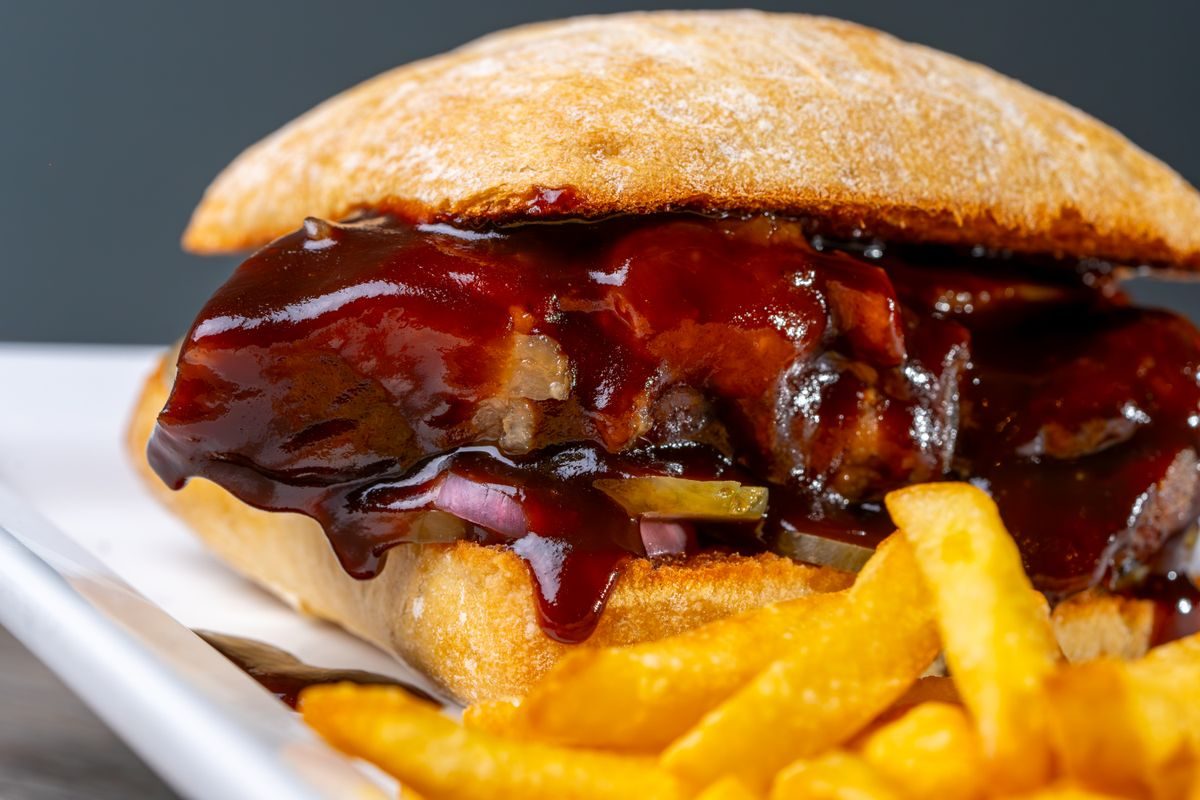
Sauces, Rubs & Marinades

Established barbecue sauces, rubs, marinades, glazes and accompaniments.

  • Meathead’s Memphis Dust Rub: A Sweet, Salt-Free Blend

    Meathead’s Memphis Dust Rub: A Sweet, Salt-Free Blend

    This rub is taken directly from Meathead Goldwyn’s published recipe at AmazingRibs.com — Meathead’s Memphis Dust Rub. It is a sweet, salt-free blend styled after Memphis dry ribs. It is Meathead’s own formula and not the recipe of any Memphis restaurant, which is worth understanding before you compare it with the famous ones.

    Dry Ribs, Memphis Style

    Meathead writes that ribs elsewhere are often slathered in sauce, while Memphis pitmasters dress them with nothing more than a flavorful spice blend. In a separate AmazingRibs piece on the rub used at Charlie Vergos’ Rendezvous, he says it is common in Memphis for barbecue joints to offer ribs “dry,” without sauce, just a liberal sprinkling of spices and herbs. That piece lists the recipe the restaurant gives to the media as salt, pepper, garlic powder, oregano, celery seed, paprika and chile powder, and claims the actual bottled seasoning contains other ingredients such as whole coriander seeds, mustard seeds and allspice. So “Memphis dry rub” describes a style, and the blends differ. Meathead’s Memphis Dust takes a sweeter, ginger-and-rosemary route.

    Ingredients

    Makes about 2 1/2 cups.

    • 3/4 cup firmly packed dark brown sugar
    • 3/4 cup white sugar
    • 1/2 cup American paprika
    • 1/4 cup garlic powder
    • 2 tablespoons ground black pepper
    • 2 tablespoons ground ginger
    • 2 tablespoons onion powder
    • 1 tablespoon rosemary, ground to a powder

    There is no salt in the mix. Meathead says that because of this, salting the meat first is a must.

    Method

    1. Grind the rosemary leaves into a powder, then mix all the ingredients thoroughly in a bowl. If the sugar has lumps, crumble them by hand or against the side of the bowl with a fork.
    2. Salt the meat: the recipe calls for 1/2 teaspoon of Morton Coarse Kosher Salt per pound of meat, sprinkled on up to 12 hours in advance.
    3. Dampen the surface of the meat with water and sprinkle on enough of the rub to coat it.

    Meathead’s general guidance is enough to coat the meat evenly in a generous layer without clumping, which he compares to a flavorful outer shell. At 2 tablespoons per slab, one batch covers about 24 slabs of ribs.

    Why Ginger and Rosemary?

    Meathead says ginger has a natural affinity for pork and adds that the Chinese figured that out centuries ago. He says rosemary contributes just a touch of piney, resinous undercurrent that makes the rub stand out. He recommends against leaving them out. The rub is also promoted for chicken, fish and vegetables, not only ribs.

    Watch the Sugar

    Sugars make up 1 1/2 cups of the roughly 2 1/2 cups this recipe yields, so sugar is a big part of the mix. Meathead’s warning: if you finish ribs over high heat to caramelize the crust, flip often and watch. For a whole hog over direct heat, the recipe says to omit the sugars.

    Storage

    You can use the rub immediately or keep it in an airtight container at room temperature for months, according to the recipe. If it clumps, chop it up, or spread it on a baking sheet and put it in a 225°F oven for 15 minutes to drive off moisture.

    One handling point from USDA’s grilling guidance: harmful bacteria in raw meat and poultry and their juices can contaminate safely cooked food, and USDA says not to use the same platter and utensils for raw and cooked meat. That guidance is about platters and utensils, not spice jars, but it points to a sensible habit. Shake what you need into a separate bowl before you start handling raw meat, and keep your raw-meat hands out of the storage jar. That habit is my extension of the USDA principle, not a statement from the page.

    Diet Notes

    The ingredient list contains no meat, fish, dairy, egg or honey. The recipe is not labeled vegan or vegetarian by AmazingRibs, and I have not verified how the sugars were processed, so this article makes no diet claim.

    Keep reading

    Sources

  • Francis Mallmann’s Chimichurri, as Published by Saveur
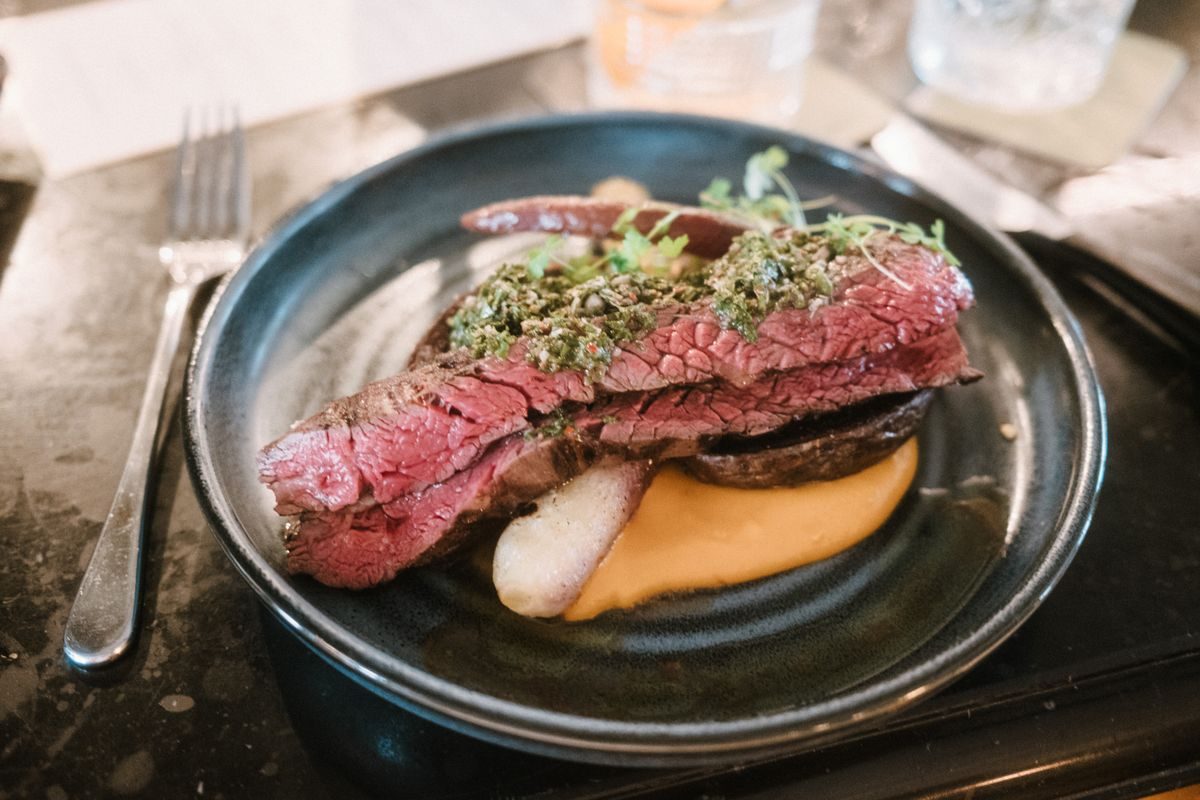
    Francis Mallmann’s Chimichurri, as Published by Saveur

    This chimichurri is taken directly from Saveur: the Chimichurri recipe adapted from a recipe in Seven Fires by Argentine chef Francis Mallmann. Its twist is a cooled saltwater brine stirred in with the herbs, which Saveur says stops the fresh herbs from discoloring. Nothing is cooked except that brine, and this guide covers the recipe, where the sauce comes from, and how long it is sensible to keep.

    Where Chimichurri Comes From

    Britannica describes chimichurri as a sauce of Argentine origin that typically includes parsley, oregano, garlic and red wine vinegar. It adds that in Argentina, fresh parsley, garlic, oregano and chilies form the basis, while other parts of Latin America often use coriander (cilantro). Most people, it says, think the sauce started with the gauchos who roamed the grasslands of what are now Argentina, Uruguay and Paraguay in the 19th century, though it appears in cookbooks only after the late 1950s. The name’s origin is uncertain, but Britannica says it is probably from the Basque word tximitxurri, roughly “a hodgepodge.”

    Ingredients

    Serves 6; Saveur lists 35 minutes total.

    • 1 tablespoon kosher salt
    • 1 cup water (for the brine)
    • 1 cup finely chopped fresh parsley
    • 3/4 cup finely chopped fresh oregano
    • 8 garlic cloves, finely chopped
    • 1 1/2 teaspoons crushed red chile flakes
    • 1/3 cup extra-virgin olive oil
    • 1/4 cup red wine vinegar
    • Freshly ground black pepper

    Method

    1. Bring the salt and water to a boil in a small pot, then take it off the heat and let it cool to room temperature.
    2. In a bowl, combine the parsley, oregano, garlic, chile flakes, olive oil, vinegar and pepper.
    3. Stir in the cooled brine.
    4. Let the sauce sit at room temperature for at least 30 minutes and up to 3 hours before serving.

    Saveur suggests it for grilled steak, vegetables and bread. Note that the herbs are fresh and finely chopped by hand, and the oregano is nearly as plentiful as the parsley.

    How Other Versions Differ

    Recipes vary widely, as Britannica says, from region to region and cook to cook. For comparison, Meathead Goldwyn’s AmazingRibs.com version blends parsley with basil and oregano (or either alone), and adds balsamic vinegar, lemon or lime juice, onion and paprika, processing everything in a food processor. He says the parsley, basil, oregano and garlic must be fresh. That is a different ingredient set from Mallmann’s, and Meathead notes it works on chicken and fish as well as beef. Neither is presented as the only correct one; they are different cooks’ takes on the same idea.

    Storage: Two Sources That Disagree

    Saveur says you can use the chimichurri right away or refrigerate it in an airtight container for up to 3 weeks. However, guidance from the National Center for Home Food Preservation (a University of Georgia program) says garlic in oil should be made fresh and refrigerated at 40°F or lower for no more than 4 days, and warns that garlic-in-oil mixtures stored at room temperature are at risk of botulism. Oregon State University Extension likewise says fresh herbs and vegetables in oil should be used within 4 days or frozen.

    This sauce is not a plain infused oil, because it also contains vinegar and a salt brine, and I found no source that tests this exact mixture. So there is no verified answer beyond “the publisher says 3 weeks; food-safety extension guidance for garlic in oil says 4 days.” The cautious path is to follow the shorter limit, keep it cold, and make a smaller batch if you will not use it quickly.

    Serving It Safely

    If you plan to use the same sauce on raw meat as a marinade, USDA says a marinade that has touched raw meat or poultry needs to be boiled for a few minutes before reuse. Boiling would ruin a fresh-herb sauce, so the practical answer is to keep a separate portion for serving and never dip cooked food in a bowl the raw meat touched. USDA also says not to reuse the same platter and utensils for raw and cooked meat. The serving-bowl tip is my inference from that guidance, not a line from the page.

    Diet Notes

    The Saveur ingredient list contains no meat, fish, dairy, eggs or honey, but Saveur does not label the recipe as vegan or vegetarian, and I have not verified how the red wine vinegar was made, so I am not making a diet claim for it.

    Keep reading

    Sources

  • Meathead’s Classic Kansas City BBQ Sauce, Explained

    Meathead’s Classic Kansas City BBQ Sauce, Explained

    This sauce is taken directly from Meathead Goldwyn’s published recipe at AmazingRibs.com — the Classic Kansas City BBQ Sauce. It is a thick, sweet, tangy, tomato-based sauce built on layered flavors, and it makes a large batch (about 6 cups). Below are the ingredients, a plain-English walkthrough, and the handling points worth knowing before it goes near a grill.

    What Makes It “Kansas City” Style

    Meathead’s framing is that the best Kansas City sauces stack several sources of each main flavor. Sweetness comes from brown sugar, molasses, honey and cooked onion; tartness from vinegar, lemon juice, hot sauce and steak sauce; and heat from more than one place rather than a single hot ingredient. Because the sauce is thick and tomatoey, he notes, it sits on top of the meat instead of soaking in, so a little goes a long way.

    He is also upfront about the history. He says the original Kansas City sauces were probably vinegary, hot and not sweet, closer to Arthur Bryant’s Original Barbeque Sauce, and that since the 1970s the prototype has been KC Masterpiece, which is tomato-based and sweet. The recipe here is the modern sweet-and-tangy style, not a reconstruction of the earlier one.

    Ingredients

    Makes about 6 cups. Prep and total time is listed as 45 minutes.

    Dry spices

    • 2 tablespoons American chili powder
    • 1 teaspoon ground black pepper
    • 2 teaspoons kosher salt (Meathead specifies Morton and notes that kosher salt is half the concentration of table salt, so use half as much if you swap)

    Wet ingredients

    • 2 cups ketchup
    • 1/2 cup yellow ballpark-style mustard
    • 1/2 cup cider vinegar
    • 1/3 cup Worcestershire sauce
    • 1/4 cup lemon juice
    • 1/4 cup steak sauce
    • 1/4 cup dark molasses
    • 1/4 to 3/4 cup honey
    • 1 teaspoon hot sauce
    • 1 cup dark brown sugar

    For cooking

    • 3 tablespoons vegetable oil
    • 1 medium onion, finely chopped
    • 4 medium garlic cloves, crushed or minced

    Method

    1. Stir the chili powder, pepper and salt together in a small bowl. In a large bowl, mix the ketchup, mustard, vinegar, Worcestershire, lemon juice, steak sauce, molasses, honey, hot sauce and brown sugar.
    2. Heat the oil in a large saucepan over medium heat and cook the onion until it turns translucent, about 5 minutes. Add the garlic for one more minute.
    3. Stir in the dry spice mixture and cook it for about 2 minutes so the spices release their flavor.
    4. Pour in the wet mixture and simmer, uncovered, for 15 minutes so it thickens.
    5. Taste and adjust. Strain it if you would rather not have onion and garlic pieces; Meathead prefers to leave them in for a home-made texture.

    Adjustments the Recipe Offers

    • Honey: the ingredient line reads 1/4 to 3/4 cup. Meathead says the base recipe is to his taste, but most people like it better with another 1/2 cup added, for 3/4 cup in total.
    • Tartness: he likes it tart and says it tastes right once it is on meat, but suggests cutting the vinegar in half if you are not fond of it.
    • Steak sauce: brands differ, and the goal is savory, umami depth, so use whatever you have.
    • Smoke: for indoor cooking or meat without much smoke flavor, he suggests adding 1/3 cup of liquid smoke.
    • Tamarind: 2 tablespoons of tamarind paste is offered as an optional extra.

    Using and Storing It Safely

    Meathead’s advice on application is restraint: one or two layers at most, so the meat still comes through. On handling, USDA’s grilling guidance is written about marinades, but the principles carry over to any sauce you baste with. USDA says to reserve a portion before raw meat or poultry goes in, and to boil any marinade that has touched raw meat for a few minutes before reusing it. It also says not to use the same platter and utensils for raw and cooked meat. In practice, that means spooning the amount you plan to brush on into a separate bowl and leaving the main batch untouched (that last step is my reading of USDA’s principle, not a line from the page).

    For keeping the sauce, the recipe says to store it in clean bottles in the refrigerator for a month or two. That timeframe is the recipe author’s; the USDA grilling page I read does not give a storage time for a cooked sauce like this one, so treat it as the publisher’s guidance and use your judgment on any batch that smells or looks off.

    Is It Vegan?

    No. The recipe includes honey, which The Vegan Society lists among animal foods, and Worcestershire sauce, which traditionally contains anchovies. Anchovy-free vegetarian and vegan Worcestershire varieties exist, but the recipe does not specify one, and you would need to swap the honey as well.

    Keep reading

    Sources

  • Vinegar, Mustard or Ketchup? The Real History Behind Carolina BBQ Sauces

    Vinegar, Mustard or Ketchup? The Real History Behind Carolina BBQ Sauces

    “Carolina barbecue sauce” isn’t one thing. Drive across North and South Carolina and the sauce on the table changes at least three times, and each version has a distinct, documented origin rather than being a random regional preference.

    Eastern North Carolina: Vinegar and Pepper, No Tomato

    The oldest of the Carolina sauces is also the simplest: a thin mix of vinegar, salt, and crushed or flaked red pepper, with no tomato at all. This is the style most closely tied to Eastern Carolina’s whole-hog tradition, where the sauce’s job is to cut through the fat of a whole animal rather than add sweetness. It’s typically tossed through pulled pork rather than served on the side, so the meat absorbs it rather than sitting under a glaze.

    Lexington Dip: Where the Tomato Comes From

    Move into the Piedmont region around Lexington, North Carolina, and the sauce changes to what’s known locally as “dip”: the same vinegar-and-pepper base, but with a measure of ketchup stirred in. According to “Holy Smoke: The Big Book of North Carolina Barbecue” by sociologist John Shelton Reed and Dale Volberg Reed, a widely cited academic and culinary history of the state’s barbecue traditions, Lexington dip emerged in the early 1900s and is generally credited to the German heritage of many cooks in that part of the state, who were accustomed to a sweet-sour flavor profile in their own cooking traditions, combined with the commercial availability of Heinz ketchup starting in the 1800s. The result is thicker and sweeter than Eastern-style sauce, but still thin and vinegar-forward compared to a Kansas City-style sauce.

    South Carolina: Mustard, Not Tomato

    Cross into South Carolina’s Midlands region and tomato disappears almost entirely, replaced by a mustard-based sauce often marketed as “Carolina Gold.” Like Lexington dip, its origin is tied to German immigration: according to the South Carolina Barbecue Association, German settlers brought mustard traditions with them when they settled parts of South Carolina, and that ingredient became the base for a regional sauce style found almost nowhere else in the American barbecue landscape. The mustard is thinned with vinegar and seasoned further, producing a tangy, sharp sauce rather than a sweet one.

    Why the Differences Are More Than Cosmetic

    These aren’t just different flavor preferences layered on the same barbecue; the sauces reflect different underlying meat traditions. Eastern Carolina’s vinegar sauce developed alongside whole-hog cooking, where a light, acidic sauce that could be mixed through large quantities of fatty, varied-texture meat made practical sense. Piedmont and South Carolina styles developed in areas with more separate immigrant food traditions layered onto the same basic pork-and-smoke foundation, which is why ketchup and mustard entered the picture in those specific regions and not others. None of the three “wins” in any objective sense; they solve slightly different problems for slightly different cuts and cooking styles.

    Matching Sauce to What You’re Actually Cooking

    If you’re cooking a whole shoulder or hog and want the sauce to season a large volume of pulled meat rather than sit on top of it, an Eastern-style vinegar sauce is the historically appropriate match. If you want something with more body for basting during the cook, Lexington dip’s ketchup content gives it a bit more cling. Mustard-based Carolina Gold works particularly well on pork that’s been smoked without a heavy sweet rub, since the sauce’s sharpness balances smoke rather than competing with sugar already on the meat. Trying all three against the same batch of pulled pork is a quick way to actually taste the difference the history explains.

    Keep reading

    Sources

  • Alabama White Sauce: Chris Lilly and Big Bob Gibson’s Method for Smoked Chicken

    Alabama White Sauce: Chris Lilly and Big Bob Gibson’s Method for Smoked Chicken

    Most American barbecue sauces are tomato- or vinegar-based. Alabama white sauce is neither — it is a mayonnaise-based sauce built specifically for smoked chicken, and it comes from a single, well-documented source: Big Bob Gibson Bar-B-Q in Decatur, Alabama, established in 1925. The restaurant’s competition team, led by chef Chris Lilly, has carried the sauce to national recognition, but the sauce itself predates Lilly’s involvement by decades.

    Where It Actually Started

    Big Bob Gibson Bar-B-Q created the original white sauce in 1925 as a pairing specifically for whole chickens pit-cooked over hickory. Chris Lilly is married into the Gibson family — his wife is Big Bob Gibson’s great-granddaughter — and serves as vice president, executive chef and partner of the restaurant, as well as leading its competition barbecue team. Lilly has brought the sauce and the restaurant to a much wider audience through television appearances, food media coverage, and his own cookbook, but the sauce’s origin sits with the restaurant’s founder, three generations before Lilly’s own contribution.

    What Is Actually In It

    The base is mayonnaise and apple cider vinegar, with additional ingredients layered in for sweetness, heat and sharpness: apple juice as a sweetener, lemon juice, powdered garlic, prepared horseradish, black pepper, mustard powder, salt and cayenne pepper. The mayonnaise base is the defining feature that separates it from every other major regional barbecue sauce style, and it is widely believed — though not something that can be proven precisely a century later — that the fat content in the mayonnaise was originally valued for keeping the white breast meat of a pit-smoked chicken from drying out over a long cook.

    How It Is Traditionally Applied

    At Big Bob Gibson’s, the signature application is dunking: whole cooked chickens are submerged directly into a large vat of the sauce after coming off the pit, rather than the sauce being brushed on lightly or served purely on the side. Historically, the restaurant also used the sauce as a basting mop during the actual cook, applying it to pork shoulder and whole chickens with a vinegar-based sop as they smoked, in addition to the post-cook dunk. Chris Lilly’s own version of the preparation includes butterflying the chickens before cooking, which is his specific documented technique rather than the original 1925 method — a detail worth keeping straight, since the butterflying step is Lilly’s contribution to the process, not part of Big Bob Gibson’s original 1925 recipe.

    Trying It at Home

    For a home version, the sauce itself is straightforward to make in a bowl and needs no cooking — it is essentially a seasoned, thinned mayonnaise. The more important detail is how it is used relative to the smoke:

    • As a finishing dip, following the original restaurant method most closely: smoke the chicken as normal (hickory is the traditional wood in this style), then dunk or generously coat the finished bird in the sauce immediately after it comes off the smoker, while it is still hot.
    • As a mop during cooking, following the older basting approach: apply the sauce periodically through the cook rather than only at the end, understanding this produces a different, more absorbed result than the post-cook dunk.
    • Reserve some sauce for serving separately at the table, since mayonnaise-based sauce that has been used as a dip or mop for raw or partially cooked poultry should not be reused as a table condiment without keeping a separate, untouched portion aside from the start.

    Why the Attribution Matters

    Alabama white sauce is specifically and originally a Big Bob Gibson Bar-B-Q creation, not a generic regional style with multiple independent originators the way some rub or sauce traditions are. Chris Lilly’s cookbook does note that several “authentic” variations of the sauce have emerged over the sauce’s near-century of history, so recipes do vary in exact ratios, but the sauce’s lineage traces to one restaurant and one family, which is worth being precise about given how often the sauce’s origin gets vaguely attributed to “Alabama barbecue” generally rather than to the specific restaurant that created it.

    Keep reading

    Sources

    • Meathead’s AmazingRibs.com. “Big Bob Gibson’s Bama Birds With White BBQ Sauce Recipe.” amazingribs.com
    • GrillGirl. “Big Bob Gibson’s White BBQ Sauce Recipe, plus an Interview with Pitmaster Chris Lilly.” grillgirl.com