
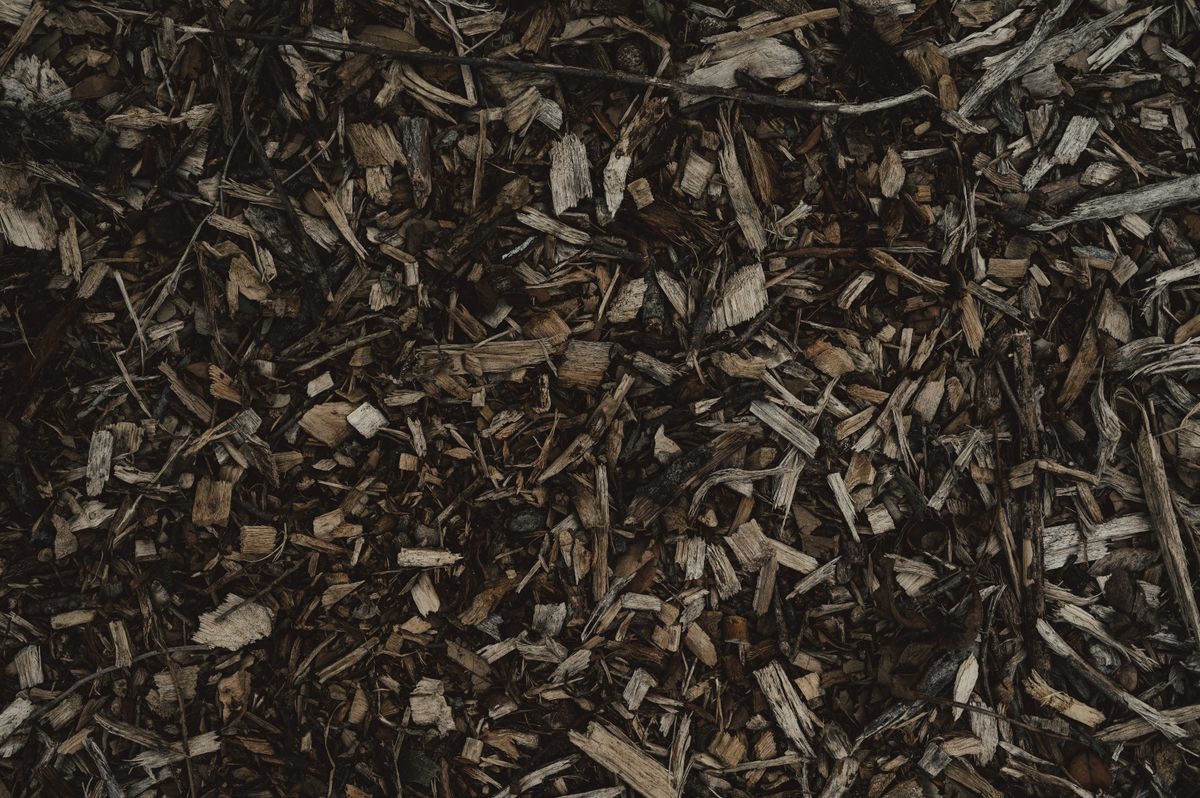
Few grilling rules are repeated as confidently as “soak your wood chips”, and few are disputed as openly. Weber’s grilling guides say to soak chips; AmazingRibs.com published a weigh-and-measure test arguing that soaking does little. Below, the two positions are set side by side, along with what Weber, AmazingRibs.com and the Meatwave say about chips, chunks and logs.
Chips, Chunks and Logs
Weber’s guide says the main difference between chips and chunks is burn rate: chips burn faster. A handful or two of chips suits a light smoke over about 20 minutes, while for an hour or more Weber suggests chunks, which it says can burn that long or longer depending on size and airflow. Its New Zealand guide describes chunks as ranging from golf-ball size to a large fist, and calls them the best option for long cooks.
AmazingRibs.com’s Meathead gives similar sizing. Chunks from golf-ball to fist size are, in his words, slow, steady sources of smoke, and often a chunk or two about the size of an egg, weighing 2 to 4 ounces (roughly 55 to 115 grams, our conversion), is all a load of food needs. Chips are about the size of coins, burn quickly and may need adding more than once, so he calls them fine for short cooks and chunks better for long ones. For long charcoal cooks he recommends chunks from golf-ball to baseball size, and for short cooks such as steak, chicken or fish, small chips and especially pellets, because they give a quick burst of smoke.
Joshua Bousel of the Meatwave says chips ignite quickly but burn out fast, while fist-sized chunks take longer to ignite but burn for a good hour in a grill and hours in a smoker. He considers logs best reserved for pits and offset smokers, and says they are of little use for backyard grilling. Texas A&M’s Meat Science program notes that a wide variety of wood, wood chunks and wood chips can provide smoke flavor, and cautions that too little smoke is unsatisfying while too much overpowers the meat.
Position One: Soak the Chips, Not the Chunks
Weber’s US guide says that soaking chips in water for at least 30 minutes, then draining them so they do not extinguish the fire, prolongs their burn and makes them smolder more than flame. It says there is no need to soak chunks. Weber’s New Zealand page gives a shorter figure, at least 20 minutes for chips, and warns that unsoaked chips are likely to catch fire and leave an acrid taste. Weber’s gas-grill article repeats the 30-minute figure for chips going into a smoker box. Bousel takes the same line: chips get a soak, chunks burn dry, since water only delays their start.
Position Two: Do Not Soak Anything
Meathead ran his own test. He soaked apple chips and chunks in room-temperature water for 12 hours and weighed them: large chunks gained about 3 percent by weight and small chips about 6 percent. In a second test he soaked pieces in dyed water for 24 hours and cut them open; the dye only reached the interior through cracks and fissures.
His explanation for why wet wood is a problem is temperature. Wet wood cannot climb much past water’s boiling point, 212 degrees F (100 degrees C), until the surface water has gone; he gives the combustion point of wood as about 575 degrees F (about 302 degrees C, our conversion). He also cites a test by AmazingRibs.com science advisor Prof. Greg Blonder, using two packets holding 50 grams of wood on a 600 degrees F (about 316 degrees C, our conversion) heat source. The dry packet went quickly to combustion temperature. The soaked packet rose to the boiling point and stalled there for almost 30 minutes before drying and then smoking. Meathead adds that what looks like smoke from wet wood is really steam, and that dripping wood also cools the coals.
Where the Two Camps Actually Differ
The sources are answering slightly different worries. Weber’s concern is that dry chips flare into flame and deliver less smolder. Meathead’s view is the reverse: he says the best-tasting smoke is thin, pale blue and practically invisible, that blue smoke needs dry wood and a hot fire with plenty of oxygen and flame, and that when chips catch fire the answer is to let the wood burn. He says foil pouches with holes are not worth the trouble.
Practically, the two agree on more than the headlines suggest: both say chunks suit long cooks, and neither says to soak chunks.
The Moisture That Matters: Seasoning
Meathead says the water content of the wood itself matters more than a soak. Fresh-cut hardwood can hold up to 80 percent water by weight, he writes, and produces steam and off flavors when burned. He says pitmasters generally prefer air-dried wood at 25 to 30 percent water, and that kiln-dried wood can be as low as 5 percent. Six months of drying, he says, is usually enough.
Logs Are a Different Job
Meathead advises that log burners usually pre-burn logs to embers and add one at a time, and that logs need a hotter fire to burn clean, perhaps 275 degrees F (135 degrees C) rather than 225 degrees F (107 degrees C).
Keep reading
- Water Pans in Smokers: Where the Experts Disagree
- Thin Blue Smoke vs White Smoke: The Chemistry of Good and Bad Barbecue Smoke
- Snake Method vs Minion Method for Slow Charcoal Cooks
- Lump Charcoal vs Briquettes for Smoking: What Tests Found
Sources
- Weber US: Chips or Chunks?
- Weber NZ: Wood Chips and Chunks (archived copy)
- Weber US: How to Smoke on a Gas Grill
- AmazingRibs.com: Myth, Soak Your Wood First
- AmazingRibs.com: What You Need to Know About Wood, Smoke, and Combustion
- The Meatwave: How to Use Smoke Woods
- Texas A&M Meat Science: How to Cook and Smoke Barbecue